
Published: September 2026 | Reading Time: 12 minutes
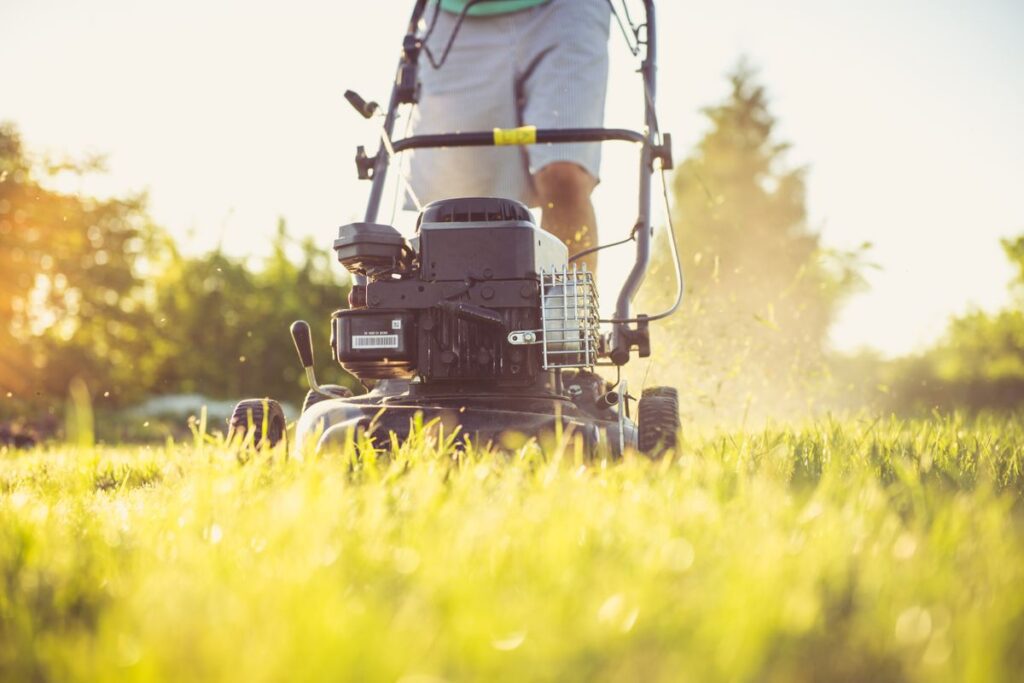
Professional lawn care costs most households somewhere between $100 and $500 a month, with a single mowing visit running roughly $42 to $205 depending on who you ask and how big the lawn is. Two 2026 cost guides give slightly different numbers, and the gap between them is instructive rather than confusing — it comes down to whether “lawn care” means someone cutting the grass or a full programme of feeding, aeration and weed control. This guide separates those, sets out what each individual service costs, and covers one question about chemical treatments that is worth asking before you sign an annual contract.
What the Two 2026 Guides Say
Both are measuring a real market, and reading them side by side is more useful than averaging them into a single number.
Monthly and per-visit figures
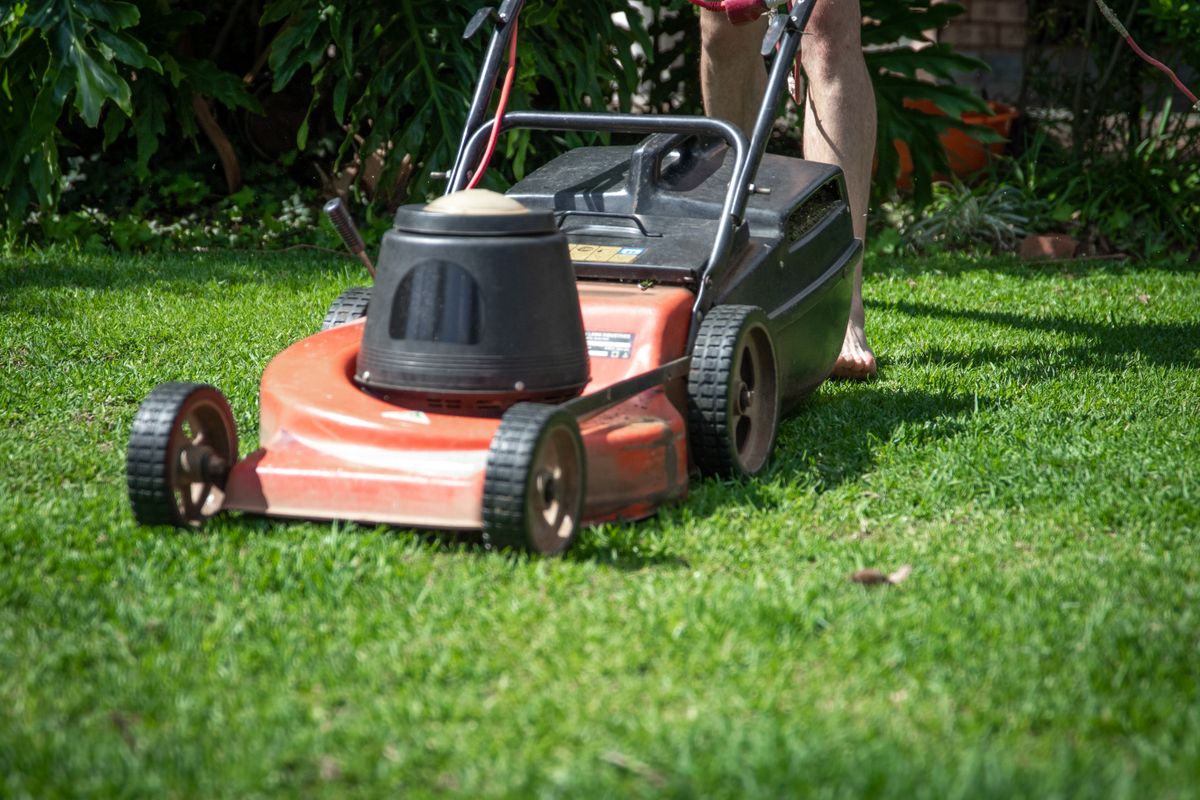
Angi’s 2026 data puts the national average at $300 a month, with a typical range of $100 to $500, and labour at $35 to $190 an hour — most homeowners paying $35 to $70. LawnStarter’s 2026 figures put monthly maintenance at $100 to $410, and are more granular on the low end, giving basic mowing at $42 to $68 per visit.
The two are compatible once you notice what each is counting. A mow-only arrangement lands near the bottom of both ranges. A full-service programme with fertilisation, weed control and seasonal work sits near the top.
Cost by Lawn Size
Size is the single biggest driver, and Angi’s 2026 brackets show it scaling almost linearly with acreage.
| Lawn size | Monthly cost (Angi, 2026) |
|---|---|
| ⅛ acre | $100–$200 |
| ¼ acre | $200–$400 |
| ½ acre | $400–$800 |
| 1 acre | $800–$1,600 |
| 2 acres | $1,600–$3,200 |
Location moves it too, though less than size. Angi’s examples run from $100–$425 a month in Dallas to $130–$525 in New York.
One thing worth knowing before you compare quotes: obstacles cost money. A lawn broken up by flower beds, trees, play equipment and a trampoline takes far longer than an open rectangle of the same square footage, because most of the time goes on trimming and turning rather than mowing.
Cost by Individual Service
Most annual programmes are a bundle of these, so knowing the standalone prices tells you whether a package is good value.
| Service | Angi, 2026 | LawnStarter, 2026 |
|---|---|---|
| Mowing | $50–$205 per service | $42–$68 per visit |
| Fertilisation | $71–$380 | $67–$405 |
| Aeration | $75–$200 | $107–$202 |
| Weed control or removal | $35–$400 | $50–$210 |
| Dethatching | $160–$225 | — |
| Seeding or overseeding | $440–$1,750 | $427–$1,514 |
| Sod installation | — | $2,028–$3,394 |
Notice that the two sources agree closely on fertilisation, aeration and seeding, and diverge most on mowing and weed control — which are exactly the services where lawn size and severity vary most.
Ask who is licensed to apply the chemicals
Some pesticides are classified by EPA as restricted use, and federal law requires any person who applies or supervises the use of a restricted use pesticide to be certified under EPA regulations and state, territorial or tribal law. Those products may be bought and applied only by a certified applicator or someone working under their direct supervision — they are not available to the general public. Certification is issued by state pesticide regulatory agencies through EPA-approved programmes, the federal minimum age is 18, and the rule sets a maximum recertification interval of five years. If a company is selling you a weed and feed programme, ask who holds the certification and whether that person is on site.
Why Lawn Care Costs What It Does
Like most home services, this is labour with equipment attached rather than a product you are buying.
The wage inside the hourly rate
The Bureau of Labor Statistics puts the median pay for grounds maintenance workers at $40,080 a year, or $19.27 an hour, as of May 2025. A company charging $35 to $70 an hour is covering that wage plus payroll costs, mowers and trimmers, fuel, a truck and trailer, insurance and the weeks with no work.
Seasonality is built into the price
BLS notes that most grounds maintenance work is done outdoors in all kinds of weather, that some jobs are seasonal, and that workers may be busier or work longer hours in spring, summer and autumn when planting, mowing and trimming are most frequent. A crew that cannot bill in January has to earn its year in the other nine months, which is why per-visit rates look high relative to the hourly wage — and why off-season quotes for one-off work are often negotiable.

The Cost Nobody Puts in the Quote
Whatever you pay a company, the lawn also runs up a water bill, and the numbers are larger than most people assume.
What EPA’s figures actually show
- Outdoor use is more than 30 percent of total household water use on average, and can reach as much as 60 percent in arid regions.
- As much as 50 percent of the water used outdoors is lost to wind, evaporation and runoff caused by inefficient irrigation methods and systems.
- An automatic irrigation system that is not properly maintained and operated can waste up to 25,000 gallons a year.
- Residential outdoor water use across the United States accounts for nearly 8 billion gallons a day, mainly for landscape irrigation.
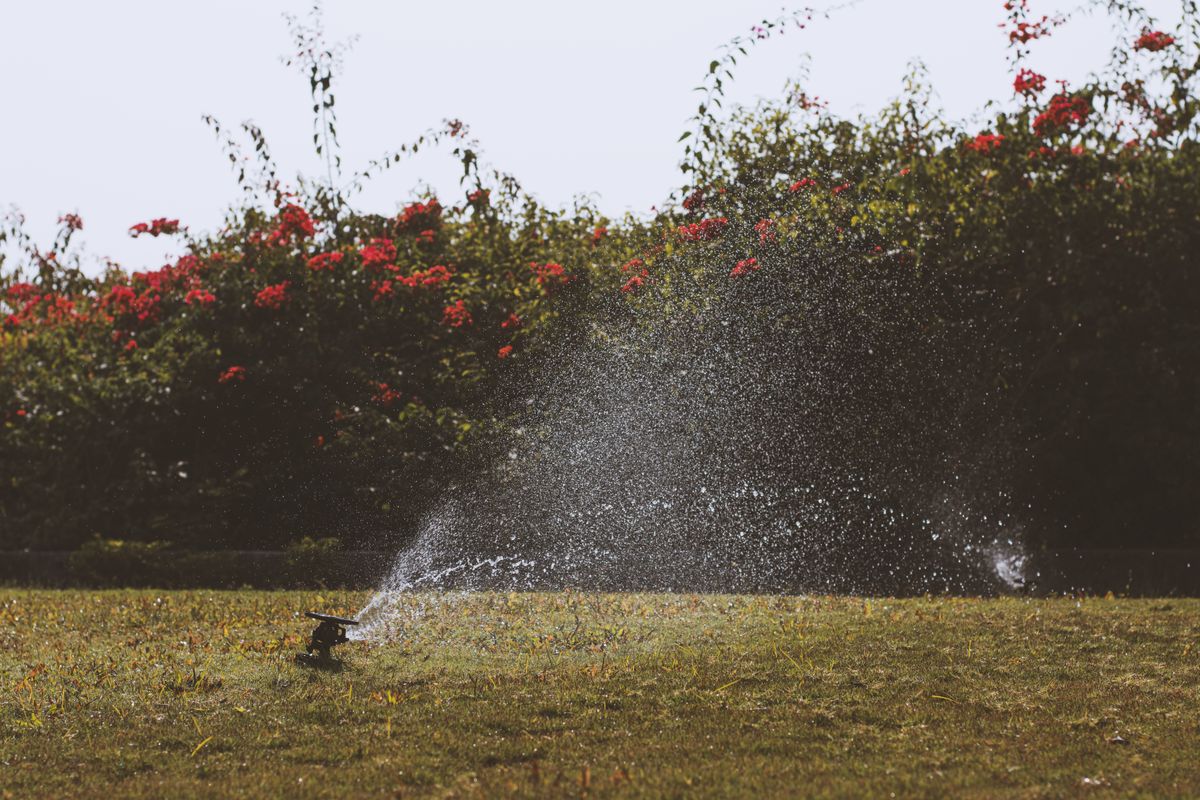
EPA offers one comparison that makes the scale concrete: watering an average-sized American lawn for 20 minutes every day for seven days is like running the shower constantly for four days, or taking more than 800 showers.
Which means that if you have an irrigation system, having someone audit and tune it may save more money than shaving $20 off a monthly mowing quote. It is worth asking whether your lawn care company does irrigation checks, because the two costs are related and only one of them appears on their invoice.
Per Visit, Monthly or Annual Contract?
How you buy changes what you pay, and each structure suits a different situation.
| Structure | How it works | Suits you if |
|---|---|---|
| Per visit | Pay each time, no commitment | You mow yourself most weeks and want occasional help |
| Monthly | A set fee covering an agreed number of visits | You want the grass handled and nothing else |
| Seasonal programme | A fixed number of treatments across the growing season | The lawn needs feeding and weed control, not just cutting |
| Annual contract | Everything, spread evenly across twelve months | You want one predictable payment and full responsibility handed over |
Annual contracts usually carry a discount against the same work bought piecemeal, which is a genuine saving if you would have bought all of it anyway. The trap is paying a level monthly fee through winter for a service that effectively pauses. Ask how many visits the contract actually includes and over what months, then divide.
How to Spend Less
Levers worth pulling
- Stretch the mowing interval where the grass allows. Every other week instead of weekly through slower growth periods is close to a halving on the largest line.
- Buy the treatments, do the mowing. Fertilisation and weed control need knowledge and, sometimes, certification. Pushing a mower does not.
- Remove obstacles. Clearing toys, hoses and furniture before the crew arrives cuts billed time on a job priced by the hour.
- Reduce the lawn. Beds, mulch and native planting cost less to maintain and less to water than turf.
- Fix the irrigation. Given EPA’s 50 percent loss figure and the 25,000-gallon waste estimate for a poorly maintained automatic system, this is often the biggest saving available.
- Ask about neighbour or route discounts. A crew already on your street has no travel cost to your house, and many firms price that in if asked.
Questions to ask before signing
- Exactly how many visits does this include, and in which months?
- Is trimming, edging and blowing included, or billed separately?
- Who is certified to apply the treatments, and will they be on site?
- What happens if it rains on my scheduled day?
- Do you remove clippings, or leave them on the lawn?
- Are you insured for damage to sprinkler heads, fencing and landscaping?
- What is the cancellation policy, and is any part of an annual fee refundable?
That insurance question is the one people skip and then regret, since sprinkler heads and low fencing are the things mowers actually hit. If your project goes beyond mowing into planting, irrigation or hardscaping, our guide to finding a reliable landscaping company covers the licence thresholds and the dig-safety step that applies then. The same principle applies to any contractor you let onto your property — our guide to finding a reliable tradesperson covers verifying licence and insurance before work starts.
Frequently Asked Questions
Sources
- Angi — Lawn Care Cost, 2026 data
- LawnStarter — How Much Does Lawn Care Cost in 2026?
- US Environmental Protection Agency — Certification Standards for Pesticide Applicators
- US Environmental Protection Agency — WaterSense Statistics and Facts
- Bureau of Labor Statistics — Grounds Maintenance Workers
This article is general information. Prices vary by market, season and property, and pesticide rules differ by state — get itemised written quotes for your own lawn.