
Published: September 2026 | Reading Time: 12 minutes
Finding a reliable roofing contractor is harder than it should be, and for a specific reason: roofing is the trade with the lowest barrier to entry and the highest concentration of temporary operators. Anyone with a truck and a ladder can print business cards, and after a storm they arrive in numbers.
The good news is that the checks which separate a real roofing business from a temporary one are few and quick. This guide covers where to look, what to verify before anyone climbs a ladder, what a written proposal must contain, how to read the warranty, and the tactics worth walking away from.
- Where to Look First
- Verify the Business Before the Roof
- The Insurance Point Nobody Explains Properly
- What the Written Proposal Must Contain
- Ask About Supervision, Not Just Price
- Reading the Warranty Before You Need It
- Checking References Properly
- Storm Chasers and the Knock at the Door
- Why the Lowest Bid Is Usually the Wrong One
- Frequently Asked Questions
Where to Look First
The company that finds you is rarely the one you want. Start from sources where someone has already taken a risk on the contractor and can tell you how it went.
- Neighbours with roofs the same age as yours. Whole streets tend to need roofs within a few years of each other, so somebody nearby has already been through this.
- Your state or local licensing board directory, where one exists. Everyone on it is legally permitted to do the work.
- Industry association member lists. Membership is not a guarantee of quality, but it does mean an established business that pays dues and can be found.
- Manufacturer certified-installer directories. Some shingle manufacturers only extend their longest warranties through installers they have trained and certified.
- Home inspectors and real estate agents, who watch roofs get done under deadline pressure and learn quickly who shows up.
Aim for three companies to quote. Fewer and you have no basis for comparison; more and the process stalls while your roof does not improve.
Verify the Business Before the Roof
The National Roofing Contractors Association’s guidance for homeowners begins not with roofing skill but with whether the company is a real, permanent business. That order is deliberate — a workmanship warranty is only worth as much as the company standing behind it.
| What to check | Why it matters | How to verify |
|---|---|---|
| Permanent place of business | A physical address, landline and tax ID mean they can be found later | Ask for the address and look it up; a PO box is not an address |
| Licence, where required | Legal permission to do the work and pull permits | The issuing authority’s own online lookup |
| Liability insurance | Covers damage to your property during the work | Certificate from the insurer or agent, valid through the project |
| Workers’ compensation | Covers injury to the crew — and roofing has real fall risk | Certificate covering everyone attending, subcontractors included |
| Complaint history | Patterns show up where single reviews do not | Better Business Bureau and your consumer protection office |
| Association membership | Signals an established, invested business | Check the association’s own member directory |
NRCA is specific that both insurance certificates should remain active for the duration of the project, not merely on the day they were handed over. Ask for them to be sent by the insurer or agent, then call the agent named on the certificate to confirm the policy is current.
The Insurance Point Nobody Explains Properly
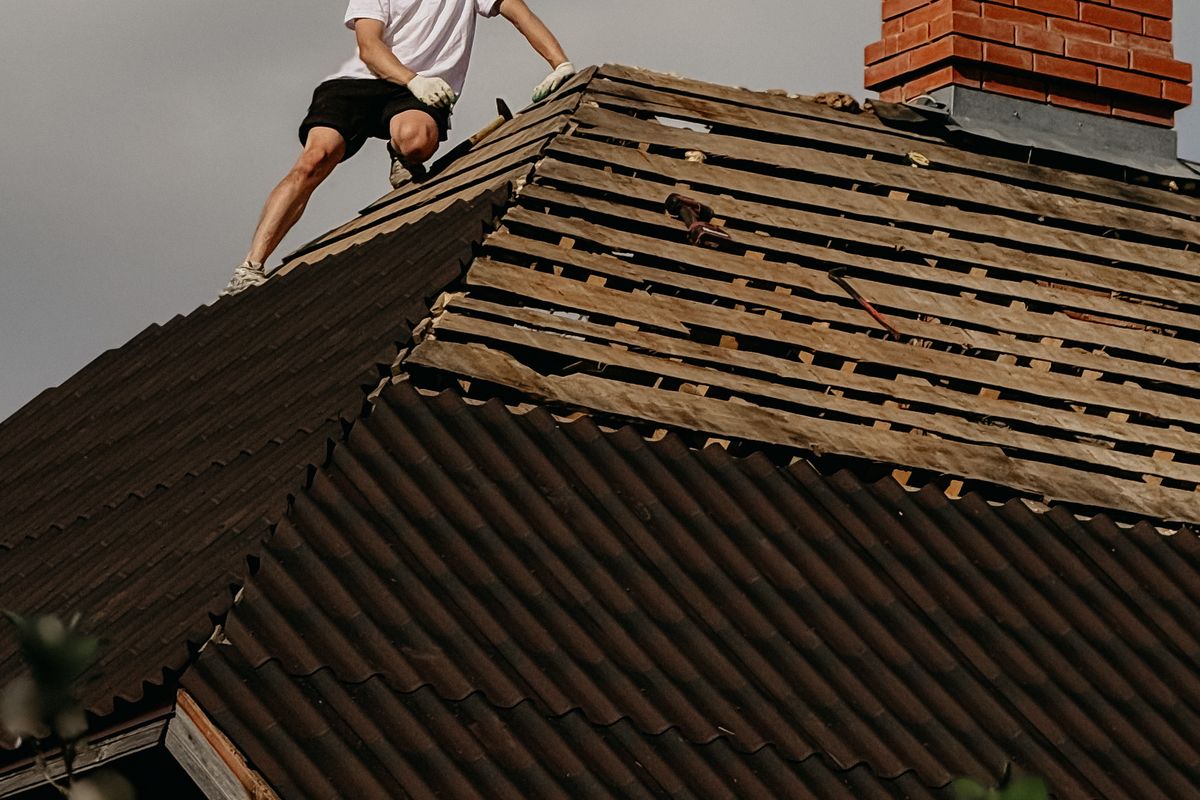
Roofing carries a genuine fall risk, which makes workers’ compensation more than a formality here. If an uninsured worker is injured on your roof, you can find yourself exposed in a way you would not be with most other trades.
Ask a second question after the certificate arrives: does this cover everyone who will be on site? Roofing crews are frequently subcontracted, and a policy covering the company’s own two employees does not necessarily cover the six-person crew that turns up. A professional will answer this without hesitation because they have been asked before.
What the Written Proposal Must Contain
NRCA’s advice is to insist on a written proposal with complete descriptions of the work and specifications, including approximate start and completion dates and clear payment terms. The FTC’s guidance for hiring contractors adds that every blank space should be filled in before you sign, and that you should never pay the full cost upfront.
For a roof specifically, that means the proposal should name:
- Measured roof area and pitch, rather than an estimate from the house size
- How many existing layers come off, and the tear-off price
- Shingle brand, product line and colour, plus the underlayment specified
- Whether flashing, drip edge and valley material are new or reused
- A price per sheet for replacing damaged decking, and how many sheets are already included
- Ventilation work included
- Permit responsibility, and whether the fee sits inside the price
- Site protection for landscaping, disposal, and a magnetic nail sweep at the end
- Both warranties, each with a stated duration
- Start and completion dates, and the payment schedule with what triggers each stage
If you want a sense of whether the numbers are reasonable before comparing, our breakdown of what a roof replacement costs by size and material sets out the published national ranges.
The decking clause is the one to insist on
Nobody knows the condition of the wood under your roof until the old covering is off. Without a per-sheet price agreed in writing beforehand, that number gets decided when your roof is open and you have no leverage. Ask for the price, the number of sheets already included, and to be shown and photographed anything they intend to charge for.
Ask About Supervision, Not Just Price
NRCA recommends asking a contractor to explain their project supervision and quality control procedures, and it is a more revealing question than it sounds. Roofing is fast work done by a crew, often in a day or two, and the difference between a good roof and a bad one is largely whether anyone is checking as it goes.
- Who is the named supervisor on the job, and will they be on site?
- Is the crew employed by you or subcontracted?
- Who inspects the work before the site is cleared?
- How do you protect landscaping, and what happens if something is damaged?
- What happens if weather stops the job with the roof partly open?
That last one matters more than people expect. A tear-off that is interrupted by rain with no plan is how interior damage happens, and a company that has an answer ready has been caught out before and learned.
Reading the Warranty Before You Need It
NRCA advises reviewing roofing warranties carefully and specifically noting provisions that could void coverage. That is the sentence worth acting on, because roofing warranties fail on conditions far more often than on the headline number.
There are two separate promises. The manufacturer warranty covers defective shingles and comes from the manufacturer. The workmanship warranty is the contractor’s own, and it covers installation faults — which is where most roofs actually fail.
Things that commonly void or reduce coverage are worth asking about directly: installation by a non-certified installer where the manufacturer requires one, failure to register the warranty within a set window, inadequate ventilation, laying over an existing layer, and later work by another contractor. Ask which of these apply to the product being proposed, and who is responsible for meeting each condition.
Then ask the uncomfortable question: how long has the company been trading? A twenty-year workmanship warranty is a promise about the next twenty years of that business existing.
Checking References Properly
NRCA suggests asking for client references and a list of completed projects, then actually contacting previous customers. Most people skip the second half, and the call is where the value is.
Ask for references from at least a year ago rather than last month. A new roof looks fine on the day it goes on; the honest verdict arrives after a winter and a storm season. Then ask four things: did the final invoice match the written proposal, was the permit pulled and passed, has it leaked, and how did the company respond when you called them back?
If you can, drive past a completed job. Straight shingle lines, tidy valleys, clean flashing details around chimneys and walls, and no debris left in the gutters tell you a great deal from the street.
Storm Chasers and the Knock at the Door
After a hailstorm or high winds, roofing companies appear that were not in your area the week before. Some are legitimate firms working a busy region. Others follow weather for a living and will be gone before any warranty is tested.
The FTC’s guidance on home improvement scams describes the pattern precisely: unsolicited door-to-door callers, pressure for a quick decision, offers involving materials left over from another job, demands for cash or large upfront payments, and a warning that scammers target disaster victims specifically.
Two roofing-specific versions are worth naming. An offer to cover or waive your insurance deductible is unlawful in a number of states, and a company willing to do it is telling you how it treats rules generally. An offer to handle your insurance claim for you can also cross into territory that requires a licence in some states.
None of this means every company that knocks is dishonest. It means the knock should not be what starts the process. Get an independent assessment, then choose a contractor the way you would if no one had knocked at all.
Why the Lowest Bid Is Usually the Wrong One
NRCA is direct about this: the lowest bid may indicate a problem, and price should be one selection factor rather than the deciding one. On a roof, a large gap between quotes almost always means a difference in what is included rather than a difference in efficiency.
Common places the money goes missing: reusing old flashing, skipping ice and water shield, no allowance for decking replacement, cheaper underlayment, no permit, thinner shingles, no ventilation work, and a shorter or non-existent workmanship warranty. Any one of those can account for a few thousand dollars, and none of them is visible from the ground once the roof is on.
When one quote comes in well below the others, take it back to the other companies and ask what it appears to be missing. That conversation is usually more informative than anything in the documents.