
Published: September 2026 | Reading Time: 12 minutes
HVAC service cost depends almost entirely on which of three things you are buying: a diagnostic visit, a repair, or routine maintenance. A tune-up runs roughly $70 to $200. A diagnostic call-out is around $75 to $250. An actual repair averages somewhere between $293 and $350 nationally, though the range stretches from under $150 to several thousand once a compressor or heat exchanger is involved.
This guide separates those three, gives current published figures for common repairs, sets out exactly what a proper tune-up should include so you can tell whether you got one, and covers the point where repairing stops making financial sense.
- What HVAC Service Costs Right Now
- The Three Things You Might Be Paying For
- What Common HVAC Repairs Cost
- What a Tune-Up Should Actually Include
- Are Maintenance Plans Worth Paying For?
- Emergency, After-Hours and Peak-Season Pricing
- When Repairing Stops Making Sense
- What an HVAC Quote Should Spell Out
- Keeping HVAC Costs Down
- Frequently Asked Questions
What HVAC Service Costs Right Now
Angi’s 2026 data puts the national average HVAC repair at about $350, with a very wide overall spread of $100 to $3,000, a service call fee of $100 to $250 for assessment alone, and hourly labour of $100 to $250. HomeGuide’s HVAC repair guide, last updated in 2025, reports a lower average of $293 with a typical range of $144 to $451 and hourly labour of $75 to $150.
The gap between those two averages is itself informative: HVAC pricing varies more by region and by system type than most trades, so treat both as reference points rather than targets.
| What you are buying | Published range | What it covers |
|---|---|---|
| Seasonal tune-up | About $70–$200 | Planned maintenance visit, no fault present |
| Diagnostic / service call | About $75–$250 | Turning up and identifying the fault |
| Hourly labour | About $75–$250 per hour | Varies widely by market and company size |
| Typical repair, all in | About $144–$451 (HomeGuide) or $100–$3,000 (Angi) | Labour and parts once the fault is known |
| Maintenance plan | About $10–$25 monthly, or $150–$500 a year | Usually two visits plus priority booking and discounts |
| Emergency / after hours | About $140–$250 per hour, higher at peak | Nights, weekends, and heatwave or cold-snap surges |
The Three Things You Might Be Paying For
A diagnostic visit
Something is wrong and nobody knows what yet. You pay for the technician to find out. The question that decides whether one quote beats another is whether that fee is credited against the repair if you approve the work, or charged on top of it.
A repair
Labour plus the part. HVAC parts pricing is where the spread comes from — a capacitor is a modest component, a compressor is most of the value of the outdoor unit. Ask for the part to be named and priced separately from the labour on the invoice.
Maintenance
A planned visit with nothing broken. This is the cheapest thing on the list and the one people skip, which is how it becomes the most expensive thing on the list two summers later.
What Common HVAC Repairs Cost
Ranges below are drawn from the Angi 2026 and HomeGuide guides. They assume normal access and a system that is otherwise sound.
| Repair | Published range |
|---|---|
| Capacitor replacement | $100–$250 |
| Contactor replacement | $150–$350 |
| Thermostat replacement | $75–$575 |
| Condenser fan motor | $100–$700 |
| Refrigerant recharge or leak repair | $100–$1,500 |
| Blower motor replacement | $300–$900 |
| Duct repair | $500–$2,000 |
| Evaporator coil replacement | $600–$2,400 |
| Heat exchanger replacement | $1,000–$3,000 |
| Compressor replacement | $800–$3,000 |
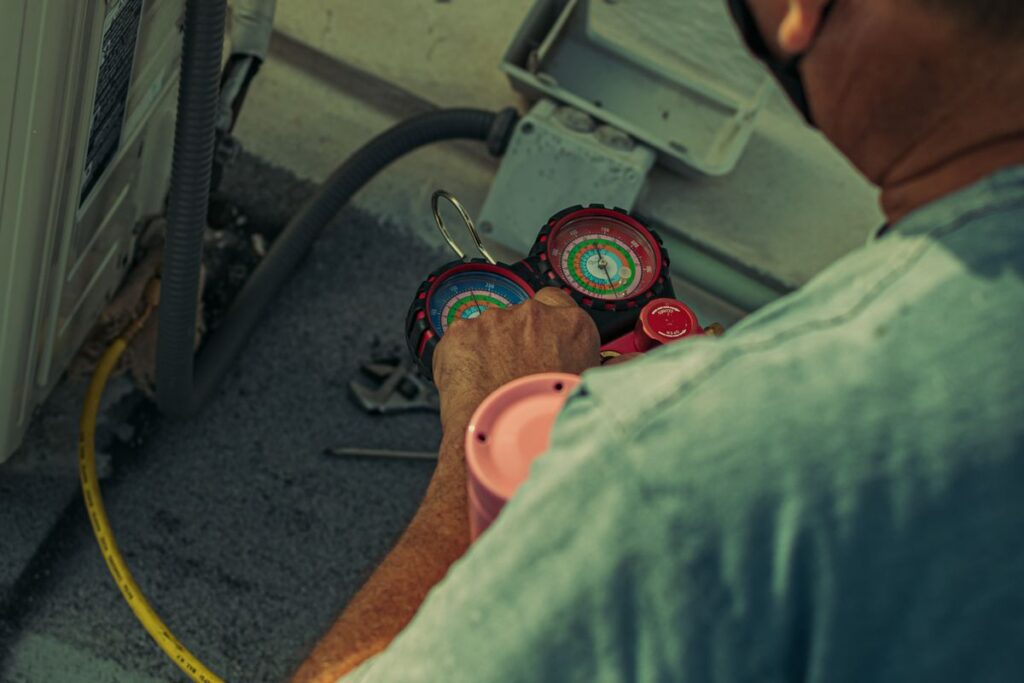
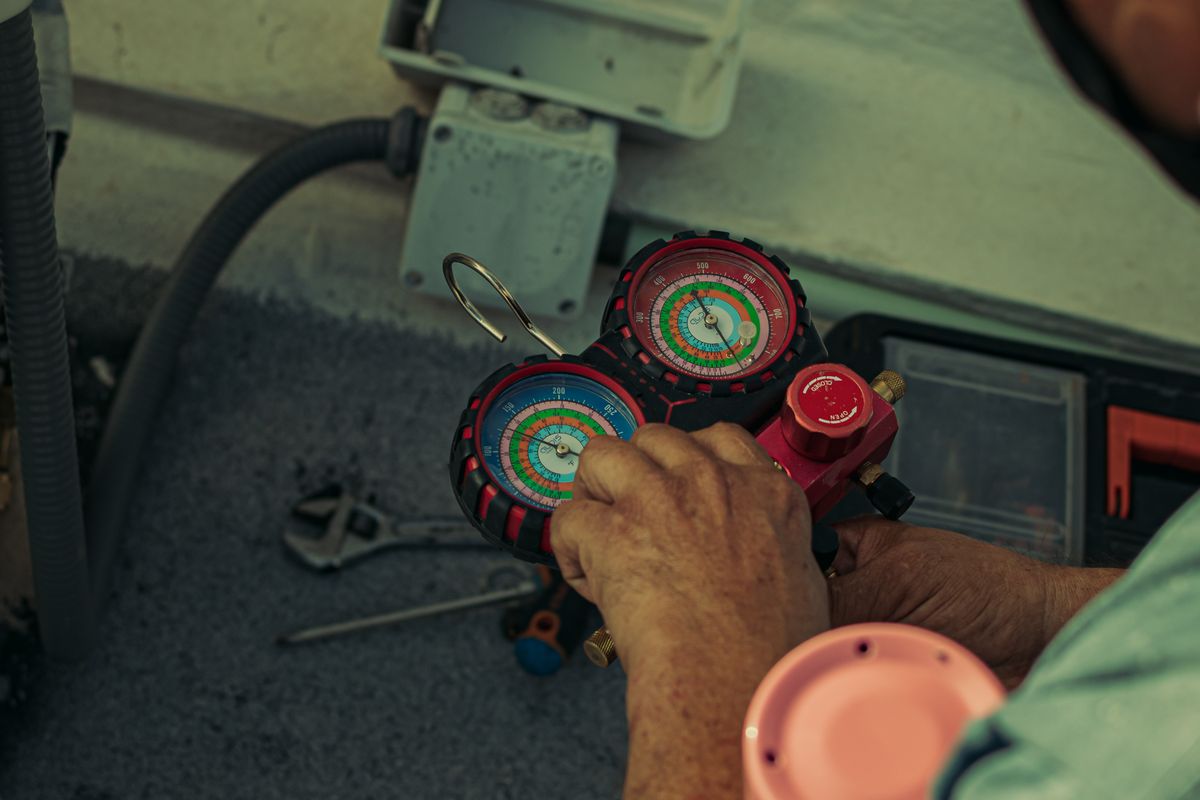
Two of these deserve a closer look. A refrigerant recharge is not a repair — refrigerant is a sealed system, so if the level is low, it leaked. Paying to top it up without finding the leak buys you a season at most. Federal rules also require technicians handling refrigerant to hold EPA certification, which is a fair thing to ask about.
A cracked heat exchanger is the other one. It is expensive, and on an older furnace the cost frequently approaches replacement territory. It is also a carbon monoxide risk, so a technician who condemns the furnace over one is usually right rather than upselling — though it is precisely the diagnosis worth getting a second opinion on.
What a Tune-Up Should Actually Include
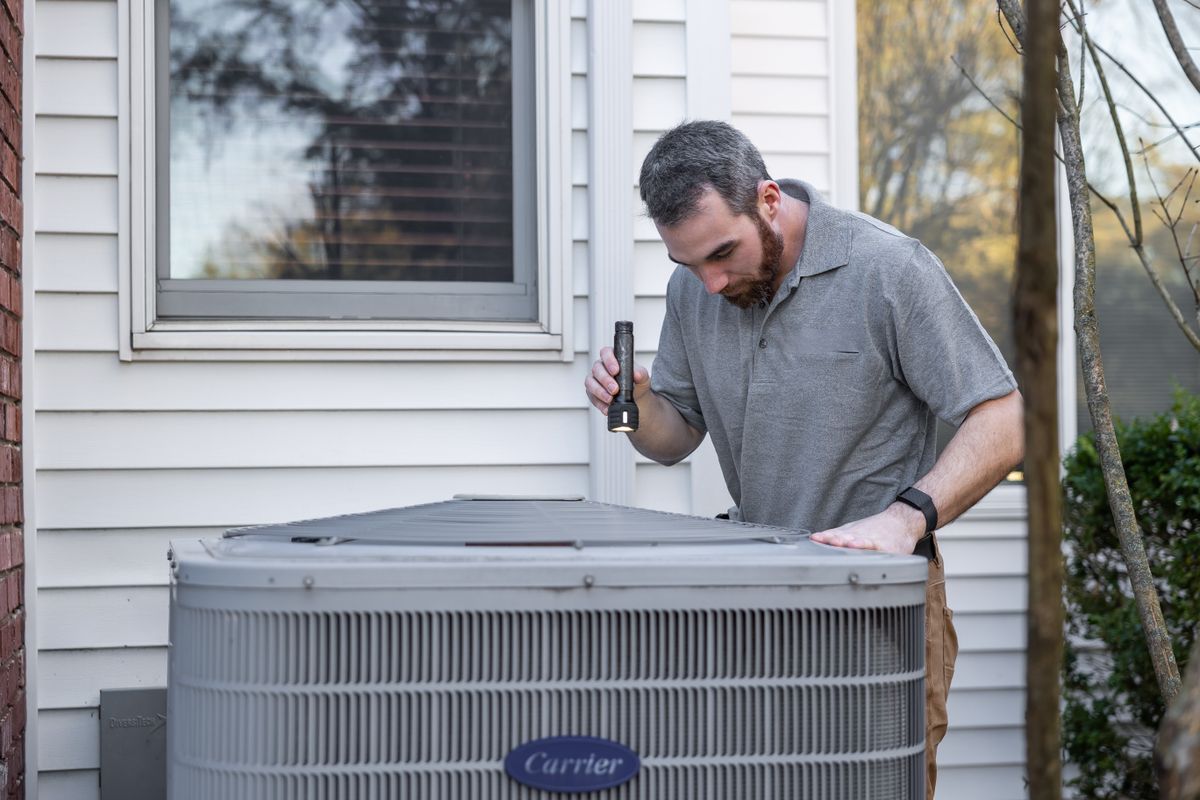
This is where a $70 tune-up and a $200 tune-up separate, and most homeowners have no way to tell which one they received. ENERGY STAR publishes the task list, which makes it a useful checklist to hold a company to.
- Thermostat calibration checked
- Electrical connections tightened and motors tested
- Moving parts lubricated
- Condensate drain inspected and cleared
- System controls verified for correct starting and shutdown
- Coils cleaned, on cooling systems
- Refrigerant level checked, on cooling systems
- Blower components adjusted, on cooling systems
- Gas or oil connections and burner inspected, on heating systems
ENERGY STAR recommends booking these before the season starts — spring for cooling, autumn for heating — rather than in the first week of the heatwave when every company in the county is already booked. It also puts a number on why the airflow items matter: airflow problems can reduce a system’s efficiency by up to 15 percent.
The free thing that matters most
ENERGY STAR advises inspecting, cleaning or changing your air filter once a month during use. It costs a few dollars, takes two minutes, and a clogged filter drives up running costs and can damage the equipment. No paid service substitutes for it.
Are Maintenance Plans Worth Paying For?
Published plan pricing runs about $10 to $25 a month, or $150 to $500 a year. Whether that beats booking two tune-ups separately depends entirely on what is bundled in.
The parts worth paying for are usually not the visits themselves. Priority scheduling matters when your air conditioning fails during a heatwave and the queue is four days long. A waived or reduced diagnostic fee matters if anything goes wrong. A discount on repairs, typically ten to twenty percent, matters on a big-ticket part.
Before signing, ask three things: how many visits are included, whether the diagnostic fee is waived for members, and whether the plan auto-renews. Then compare the annual price against two tune-ups at the going rate. If the plan costs much more than that and the extras do not apply to your situation, book the tune-ups instead.
Emergency, After-Hours and Peak-Season Pricing
Published after-hours rates run roughly $140 to $250 an hour, climbing considerably higher during peak demand. HVAC has a pricing dynamic the other trades do not: when a heatwave or a cold snap hits, every system in the region is under strain at once, and both rates and waiting times move together.
Decide honestly whether it can wait until morning. A system that is not cooling in mild weather usually can. What should not wait is a gas smell, a carbon monoxide alarm, a burning smell from the furnace, water pouring from an indoor unit onto a ceiling below, or a house getting genuinely dangerous for an infant, an elderly resident or someone unwell. In extreme temperatures, loss of heating or cooling is a health matter rather than a comfort one.
When Repairing Stops Making Sense
There is no single formula, but a few factors decide it between them.
- The age of the system against how long that type of equipment typically lasts. A large repair on a system near the end of its service life rarely pays back.
- The repair cost against replacement cost. When a compressor or heat exchanger quote reaches a meaningful fraction of a new system, the arithmetic changes.
- How many repairs you have already paid for. The third call-out in two years is telling you something the individual invoices are not.
- Efficiency. An older, less efficient system costs more to run every month, and that gap keeps widening after a repair.
- Refrigerant type. Older systems can use refrigerants that are being phased down, which pushes recharge costs up over time.
- Whether the warranty is still live. Check before agreeing to anything, since a covered part changes the decision entirely.
Where a repair quote is large, get a second opinion before committing. A replacement quote from the same company that condemned the system is not a second opinion.
What an HVAC Quote Should Spell Out
- Business name, address, phone and licence number.
- The diagnosis in plain language, separated from the proposed repair.
- Parts named by component and part number, priced separately from labour.
- Whether the diagnostic fee is credited against the work.
- Whether refrigerant is included, and at what quantity and rate.
- Warranty on the part and, separately, on the labour, with durations.
- Whether the manufacturer’s warranty on your system still applies.
- What happens to the price if a second fault appears once the system is opened.
The structure is much the same across the trades, and the same reading applies to how plumbing quotes are built if you are pricing more than one job.
Keeping HVAC Costs Down
Book off-season
Spring and autumn are the quiet weeks. Companies price and schedule accordingly, and you are not competing with a region-wide emergency.
Change the filter
Monthly, during use. A surprising share of paid call-outs turn out to be a system struggling against a filter that has not been touched in a year.
Keep the outdoor unit clear
Leaves, grass clippings, shrubs grown in close. Restricted airflow makes the unit work harder, and clearing a couple of feet around it costs nothing.
Describe the fault properly when you book, too. Which rooms, whether it is blowing warm or not blowing at all, whether the outdoor unit runs, whether the breaker has tripped. Diagnostic time is billed time, and an accurate description on the phone can remove a chunk of it on site.